
Semrush vs Google Analytics is a common comparison for New Zealand organisations trying to make better decisions about SEO, content, and marketing performance. Both tools are valuable, but they answer different questions and use different types of data. If you choose the right tool for the right job (or use both together), you’ll get far more clarity from your reporting.
Key Takeaways
- Semrush vs Google Analytics is not an either-or choice because they solve different problems.
- Google Analytics (GA4) is best for measuring what people actually do on your website, using first-party data.
- Semrush is best for SEO planning, competitor insights, and tracking visibility in search results.
- Google Analytics is more accurate for website traffic and conversions, while Semrush is more useful for SEO opportunity and content planning.
- Using both together helps you connect search visibility to real user behaviour and business outcomes.
Semrush vs Google Analytics Comparison Table
| Feature | Semrush | Google Analytics (GA4) |
| Primary purpose | SEO research, competitor insights, visibility tracking | Website and app performance measurement |
| Data source | Third-party datasets and platform estimates | First-party event and user interaction data |
| Best for | Keyword research, rank tracking, site audits, backlinks | Conversions, engagement, funnels, attribution, user journeys |
| What it tells you | How you’re performing in search vs competitors | What users do after they land on your site |
| Typical users | SEO specialists, content teams, marketing leads | Marketing, product, UX teams, leadership |
| Cost | Paid plans, with different tiers | GA4 is free; GA360 is enterprise-paid |
What is the Difference Between Semrush and Google Analytics: In Short
Semrush vs Google Analytics comes down to visibility vs behaviour. Semrush helps you understand how your website appears in search, how you compare to competitors, and where SEO opportunities exist. Google Analytics shows you where your users come from, what happens on your website once people arrive, including engagement, conversions, and where users drop off.
Semrush
What is Semrush?
Semrush is an SEO and digital marketing platform(external link) used to research keywords, analyse competitors, audit websites, track rankings, and monitor backlinks. It’s widely used for planning content and improving search visibility because it provides insight into what people search for and how sites perform in organic search.
What data can you track with Semrush?
Semrush is strongest when you need search-focused insight, such as:
- Keyword research, including related terms and search intent
- AI visibility, including on LLMs like ChatGPT and mentions in AI Overviews on Google
- Rank tracking for target keywords (your site and competitors)
- Site audit outputs that highlight technical issues affecting visibility
- Backlink profiles(external link) and link quality signals
- Competitor analysis, including visibility trends and content gaps
- Content planning features that support topic selection and optimisation
It’s important to note that Semrush does not have access to your private website analytics data. It uses external data sources and modelling, which makes it excellent for directional SEO insights, but not a replacement for your on-site behavioural tracking.
What are the use cases for Semrush?
Semrush is usually the right tool when your questions are SEO-led, such as:
- What should we write next to grow organic visibility?
- Which keywords are we missing that competitors are winning?
- Which pages need technical fixes to improve crawlability and performance?
- Where are we gaining or losing rankings over time?
- How strong is our backlink profile compared with similar organisations?
For NZ organisations, Semrush is especially useful during planning phases, like website rebuilds, content clean-ups, or when you want to build a more intentional content roadmap. . It’s also worthwhile when you want to monitor your SEO performance as Semrush tracks key SEO metrics on an ongoing basis.
Does Semrush cost anything?
Semrush is a paid platform with tiered plans(external link). Pricing varies depending on whether you pay monthly or annually and which features and limits you need. Semrush’s published pricing pages and plan comparisons show monthly pricing in the range of the Pro, Guru, and Business tiers.
Google Analytics
What is Google Analytics?
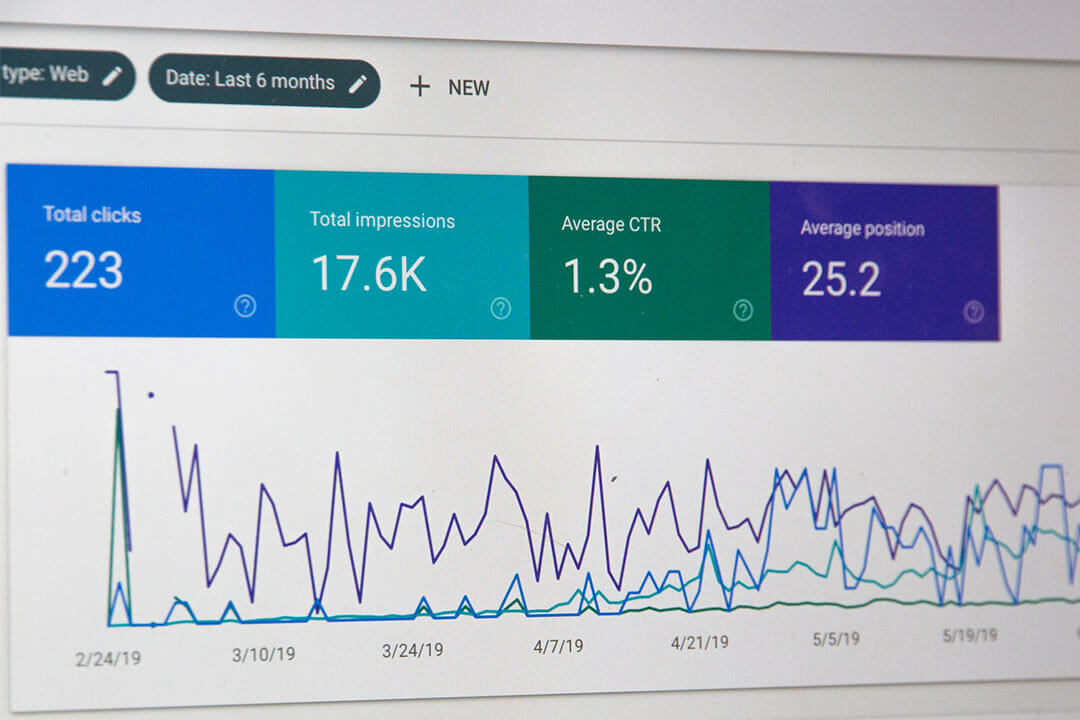
Google Analytics (GA4) is Google’s analytics platform for measuring website and app performance. GA4 uses an event-based model, meaning interactions are tracked as events (such as page views, clicks, form submissions, and purchases).
What data can you track with Google Analytics?
Google Analytics is designed to answer questions about behaviour and performance, including:
- Users, sessions, and engagement metrics
- Acquisition sources (organic, paid, social, email, referral)
- Event tracking, including key actions like form submissions or downloads
- Conversion tracking and attribution insights
- Landing page performance and user journeys
- Funnel drop-offs and pathways to conversion
This is the data you use to understand what’s working once users arrive on your site, which makes GA4 essential for performance marketing, UX improvements, and conversion rate optimisation.
What are the use cases for Google Analytics?
Google Analytics is the right tool when your questions are about outcomes, such as:
- Which channels drive the most qualified traffic and conversions?
- Which landing pages convert best (and which ones leak users)?
- What content is actually being used, and what is being ignored?
- Where do users get stuck in key flows like donations, sign-ups, or enquiries?
- What happens after a new content launch, campaign, or website change?
At Somar Digital, we encourage all of our clients to set up Google Analytics tracking on their websites. GA4 gives you the most accurate data when it comes to user acquisition and behaviour. In many cases if our client doesn’t have the technical knowhow, we have helped them set up GA4 on their websites, including conversion tracking such as form submissions and user behaviour on specific web pages.
If you need a hand to set up GA4 we’re happy to help!
Does Google Analytics cost anything?
GA4 is free for most organisations. There is also an enterprise tier, Google Analytics 360, which is priced for large organisations and can start at a published retail figure of USD $50,000 per year, with usage-based considerations. In most use-cases, though, the free version of GA4 is more than enough to provide the data you need to understand your website’s users.
Using Semrush and Google Analytics together
If you want the full picture, Semrush vs Google Analytics becomes a “both” decision. Google Analytics is generally more accurate for measuring your website’s traffic and conversions because it’s based on real user interactions on your site. Semrush is more useful for understanding how your site is performing in search (both traditional and AI search), where competitors are outranking you, and what content you should prioritise next.
A practical workflow looks like this:
- Use Google Analytics to validate which pages drive meaningful outcomes, how users behave after landing, and where conversion pathways need improvement.
- Use Semrush to identify keyword opportunities, content gaps, and technical SEO issues that may be limiting visibility.
- Combine insights to prioritise work that improves both visibility and performance, not just one or the other.
This combined approach is often where the best gains come from, especially when you’re trying to grow organic traffic and improve what that traffic delivers.
If you would like more information around how to get the most out of Semrush and/or Google Analytics our team at Somar Digital can help out.