Experience design vs user experience is a common point of confusion for organisations investing in digital products and services.
Both disciplines focus on people, but they operate at different levels of scope, strategy, and execution.
Understanding experience design vs user experience helps teams build solutions that work not just at the screen level, but across the entire journey someone has with your organisation.
Key Takeaways
- Experience design vs user experience is about scope, with experience design covering the full journey and user experience focusing on specific interactions.
- Experience design considers people, processes, services, and systems beyond digital interfaces.
- User experience design concentrates on usability, accessibility, and interaction within a product or platform.
- Strong digital outcomes rely on user experience sitting within a broader experience design approach.
Experience Design vs User Experience: At a Glance
Experience design vs user experience can be understood as strategy versus execution.
Experience design(external link) looks at the entire end to end experience someone has with a brand, service, or organisation.
User experience(external link) focuses on how someone interacts with a specific product, website, or app.
In practice, experience design sets the direction and intent, while user experience delivers the detail and interaction quality.

What is Experience Design?
Definition of Experience Design
Experience design is a holistic approach that shapes how people experience an organisation across all touchpoints. In the context of experience design vs user experience, experience design sits at a higher, more strategic level. It considers digital, physical, human, and organisational interactions together. Experience design focuses on how services feel, how processes work, and how people move across channels over time.
Examples of Experience Design
An example of experience design could be redesigning how a customer applies for a government service from start to finish. This might include website content, call centre interactions, email communications, internal workflows, and follow up support.
Another example of experience design is improving how a transport authority communicates disruptions, combining apps, signage, staff messaging, and digital alerts into one consistent experience.
What Falls Under Experience Design
Experience design often includes service design, customer experience, content strategy, and journey mapping. It looks at organisational processes and how they affect the end user.
Experience design also considers accessibility, inclusion, and emotional response across the entire journey. In experience design vs user experience discussions, experience design is the umbrella that connects all these elements.
What is User Experience?
Definition of User Experience
User experience design focuses on how people interact with a specific digital product or interface. In relation to experience design, UX is narrower in scope but deeper in execution. User experience design aims to make interactions intuitive, accessible, and efficient. It concentrates on tasks, flows, and how easily someone can achieve their goal within a product.
Examples of UX
A common UX example could be redesigning a website’s main menu to help users find information quickly. Another UX example is improving a form so it is easier to complete on mobile devices. User experience design also includes refining search results, error messages, and page layouts to reduce friction.
How Does UX Fit into Experience Design
User experience is a critical component of experience design.
In experience design vs user experience, UX is the layer where strategy becomes tangible. A strong experience design framework sets clear goals for what the experience should achieve. User experience design then translates those goals into usable interfaces and interactions.
Without good UX, even the best experience design strategy can fail. Without experience design, UX improvements can become fragmented and disconnected from the wider journey.
What are the Differences Between UX and Experience Design?
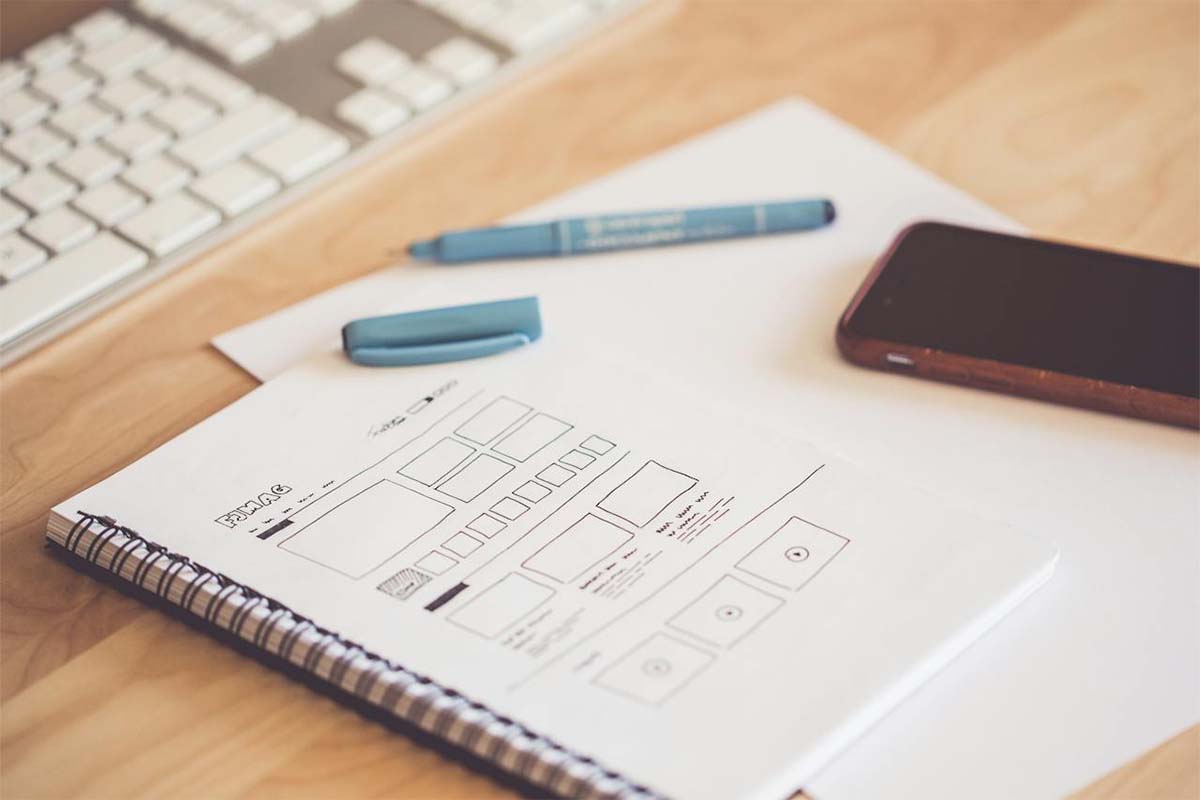
The core difference in experience design vs user experience is scale. Experience design looks at the full relationship between a person and an organisation. User experience looks at a defined interaction within that relationship. Experience design often answers the question of what should exist and why. User experience answers how it should work in practice. Experience design considers long term outcomes and consistency across channels. User experience focuses on usability, clarity, and task completion within a product.
Conclusion
Experience design vs user experience is not a competition between disciplines. They work best when they are aligned and intentionally connected. Experience design provides the strategic foundation for how an organisation shows up for its audience.
User experience ensures that individual touchpoints are clear, accessible, and effective. Together, they help organisations deliver experiences that feel coherent, purposeful, and genuinely user centred.