AI for SEO (or Artificial Intelligence Search Engine Optimisation) is reshaping how websites rank, how content is discovered, and how users interact with search across multiple platforms. While many fundamentals of SEO are still very much relevant, if your digital strategy hasn't adapted yet, now is a good time to make some changes!
Key Takeaways:
- AI is fundamentally changing how search engines and AI assistants surface content
- Entity-based SEO, technical foundations, and multi-platform visibility are now critical
- Optimising for AI-powered platforms requires a user-first, clearly written content approach
- A range of AI SEO tools can support your strategy without replacing human expertise
What is AI for SEO: AIO
AI for SEO, also referred to as AIO, or AI-driven Search Engine Optimisation, describes the use of artificial intelligence technologies to enhance how websites are discovered, ranked, and recommended across search engines and AI-powered platforms. This includes both using AI tools to do SEO more effectively and optimising content so that AI systems surface it in their responses.
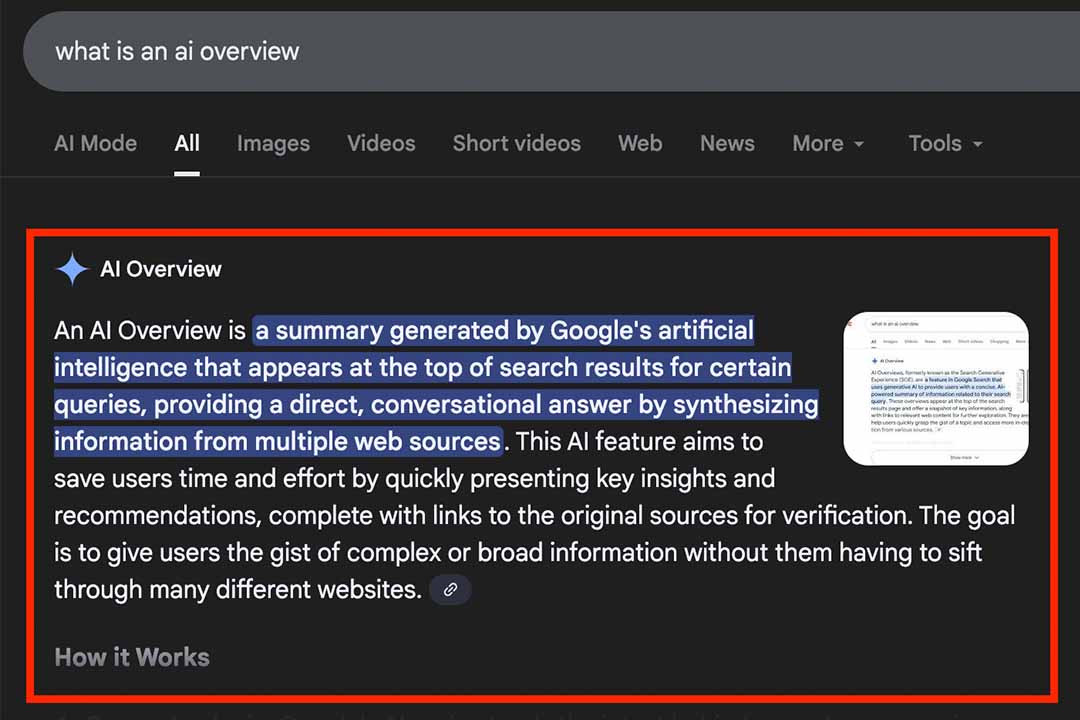
Traditional search largely prioritised crawlable links, keyword density, and backlinks. AI-powered search, across platforms like Google's AI Overviews, ChatGPT, and Perplexity, rewards genuine authority and clarity. Your content needs to earn trust, demonstrate expertise, and be worth citing.
Core SEO Principles for AI Search
Before getting into tactics, there are three foundational principles that underpin any effective AI for SEO strategy. Get these right and everything else becomes easier to build on.
Create Unique, Valuable Content
AI systems are trained to surface content that genuinely helps people. Generic, thin, or recycled content is increasingly easy for search engines and LLMs to deprioritise. The organisations that perform well in AI-powered search are those producing original insights, well-researched answers, and perspectives that cannot be found elsewhere. Unique, valuable content earns citations, and citations drive visibility.
Improve Page Experience
Page experience has always been a ranking factor, but in the context of AI for SEO it carries even more weight. A website that loads slowly, behaves unpredictably on mobile, or frustrates users sends clear negative signals to both search engines and AI systems. Core Web Vitals, mobile responsiveness, clear navigation, and accessible design all contribute to a page experience that AI systems regard as trustworthy and worth recommending.
Enhance Crawlability
If AI systems and search engine bots cannot efficiently crawl and understand your website, your content will not be surfaced, regardless of its quality. A clean site structure, working sitemaps, logical internal linking, and properly configured robots.txt and llms.txt(external link) files all ensure that your content is discoverable and interpretable.
AIO vs Traditional SEO: Same but Different
The core objective of AIO remains the same as Traditional SEO: get your content in front of the right people at the right time. The tactics, however, have shifted. Here’s what that looks like in practice.
Authority Content
AI systems are designed to cite sources they deem credible and trustworthy, which means content that demonstrates genuine expertise will consistently outperform content that merely targets keywords. Publish expert insights, original research, and in-depth case studies that reflect real-world experience. Then distribute that content strategically: LinkedIn, Reddit, and reputable industry platforms all signal to AI systems that your content is worth referencing. The broader and more credible your footprint, the stronger your authority signals.
Semantic SEO
A key shift in AI for SEO is prioritising topic clusters, or entities, rather than just ranking for individual keywords. AI-powered search understands context, intent, and meaning, which means a topic cluster strategy consistently outperforms a keyword-by-keyword approach. Rather than optimising a single page for a single phrase, build interconnected content around themes, entities, frequently asked questions, and the natural language your audience actually uses. This is how AI systems learn to associate your brand with a subject area, rather than just a search term.
Real-Time Relevance
Typically, AI-powered search favours content that is current. Outdated pages, stale statistics, and topics that have moved on are less likely to be surfaced in AI-generated responses. Keeping content fresh, through regular updates, timely commentary on industry trends, and the addition of new data, signals relevance to both search engines and AI systems. Schema markup plays a supporting role here too, providing AI systems with structured, machine-readable context about when content was published, updated, and what it covers.
Technical SEO
The technical requirements for AIO should sound familiar if you have any experience with SEO. Fast load times, mobile-first performance, and clean code remain non-negotiable, these are signals that search engines and AI systems use to assess site quality. Beyond the basics, structured data and schema markup help AI systems accurately categorise and contextualise your content. Working sitemaps ensure full site coverage. And as noted above, llms.txt files offer a newer mechanism for communicating directly with large language models about how your content should be used.
AI-Optimised Strategy
AI tools are are also changing how effective SEO strategy gets executed. Using AI to scale content production, identify trending queries, and surface gaps in your existing coverage allows teams to move faster and with greater precision than traditional methods allow. The organisations winning at AI for SEO are those using AI as a strategic accelerant: identifying what their audiences are asking right now and responding with well-structured, authoritative content before competitors do.
E-E-A-T Signals
Experience, Expertise, Authoritativeness, and Trustworthiness (E-E-A-T)(external link) have long been important in Google's quality assessment framework, but their relevance has grown considerably in the context of AI-powered search. AI systems look for clear signals that content comes from credible, identifiable sources. That means displaying real author names and bios, linking to credentials and professional profiles, and consistently demonstrating subject matter expertise across your content. Transparency about who is behind your content and why they are qualified to speak on a topic is one of the clearest trust signals you can provide.

Where to Optimise for AI for SEO
Google AI Overviews
Optimise with structured, authoritative content. Use schema markup, answer questions clearly, and earn backlinks from trusted sources. AI Overviews pull from pages Google already trusts.
Claude
Anthropic's Claude responds well to content that is clear, well-cited, and factually grounded. Establishing your brand as an authoritative entity increases the likelihood of being referenced.
ChatGPT
OpenAI's ChatGPT draws from a broad training dataset and real-time browsing. Consistent, high-quality content published across reputable platforms improves your chances of citation.
Perplexity
Perplexity prioritises sourced, factual answers. Ensure your content is well-structured, clearly attributed, and easy to extract key information from.
Gemini
Google's Gemini is deeply integrated with Google's ecosystem. Strong traditional SEO signals, alongside structured data and Google Business Profile optimisation, feed directly into Gemini's responses.
AI SEO Tools
The right tools make AI for SEO significantly more manageable. Here is a breakdown of the key categories worth knowing about.
Website Auditing Tools
Semrush(external link), Ahrefs, and Screaming Frog(external link) are the commonly used workhorses of technical SEO auditing. Each can crawl your website and surface issues affecting your visibility, broken links, missing metadata, slow page speeds, duplicate content, and crawlability problems among them. Running regular audits with these tools ensures your technical foundations remain sound, which is a prerequisite for performing well in both traditional and AI-powered search.
AI Visibility and Competitive Intelligence
Both Semrush and Ahrefs are actively developing features to help organisations track their visibility within AI-generated search results. Beyond AI visibility tracking, these platforms assist with competitor analysis, keyword and topic research, and identifying content gaps where your organisation is not yet present but should be. As these tools evolve and become more accurate, they give you a clear picture of where opportunity exists and where ground is being lost.
LLMs for Content Creation
Large language models (LLMs) such as Claude and ChatGPT have become practical tools for scaling content production as part of an AI for SEO strategy. They can assist with drafting, editing, repurposing existing content across formats, generating FAQ responses, and producing structured content at pace. The caveat is that LLM-generated content should always be reviewed, fact-checked, and shaped by human expertise before publication, particularly given the E-E-A-T signals that AI-powered search prioritises. LLMs accelerate the process; human judgement determines the quality.
Schema Markup Tools
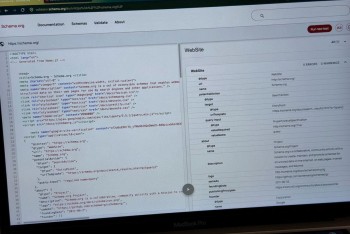
Schema markup is one of the most effective ways to help AI systems understand and correctly categorise your content. Tools such as Google's Structured Data Markup Helper, Schema.org, and Schema Markup Generator(external link) make it straightforward to implement the correct markup for your content type, whether it’s articles, FAQs, products, events, or organisations. Validating your markup using Google's Rich Results Test ensures it is being read correctly and contributing to your visibility in structured search results and AI-generated responses.
Ready to future-proof your SEO strategy? Get in touch with Somar Digital's team to explore how we can help you navigate AI SEO with confidence.