
OpenAI is testing ChatGPT ads for its Free and Go subscription tier logged-in adult users in the United States.
Key Takeaways
- OpenAI is testing ads in ChatGPT for Free and Go tier users.
- Ads are labeled "Sponsored" in lightly tinted boxes with disclaimers about privacy and no influence on responses.
- Advertisers cannot access personal chats, histories, memories, or user details, only aggregate ad data.
- Ads cannot appear on sensitive topics like health, politics, or for users under 18.
- Users can influence ad relevance by engaging with or hiding ads, and past chats affect what ads are shown.
- ChatGPT Ads expansion to New Zealand is planned later in 2026.
OpenAI is testing ads on ChatGPT for its Free and Go subscription tier(external link) logged-in adult users in the United States.
A couple of months ago, we wrote an article introducing ChatGPT Ads and anticipated how OpenAI would implement advertisements in the platform. And now, OpenAI(external link) has begun testing an advertising platform within ChatGPT, with trials starting in February 2026 for users on the Free and $8/month "Go" tiers in the United States.
In a recent press release, OpenAI mentioned that they have started testing ads in ChatGPT for users in the U.S. They also mentioned that "the test will be for logged-in adult users on the Free and Go subscription tiers. Plus, Pro, Business, Enterprise, and Education tiers will not have ads." Ads for ChatGPT in New Zealand are expected to roll out to users later in 2026.
How Can Users Differentiate Between an Ad and Organic Information?
ChatGPT ads will feature a clear "Sponsored" label and will be displayed in a lightly tinted box. It will be easy to differentiate a ChatGPT ad from an organic answer or information.
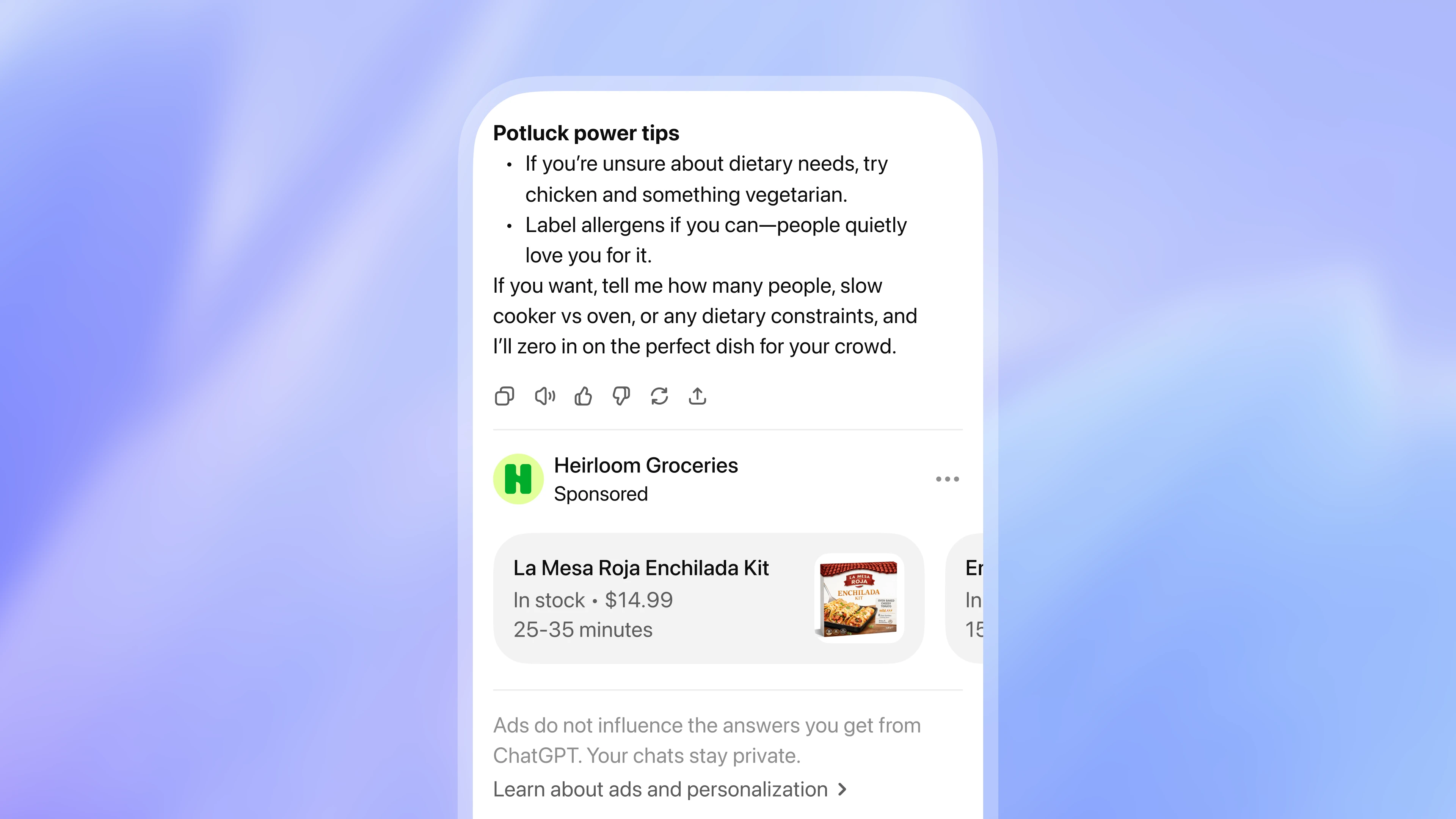
Image by OpenAI ChatGPT
Users will also see a disclaimer with ChatGPT ads like "Ads do not influence the users you get from ChatGPT. Your chats are private."
What Happens to User Conversations?
All ChatGPT conversations are secure and private. ChatGPT advertisers can't access your chats, chat history, memories, or personal details. ChatGPT advertisers can only view aggregate data from ads, such as the number of clicks or views for their ads.
OpenAI also mentioned that these ads have no influence on the answers ChatGPT gives its users. Conversations with ChatGPT are kept private from advertisers as well. As OpenAI said, "our goal is for ads to support broader access to more powerful ChatGPT features while maintaining the trust people place in ChatGPT for important and personal tasks."
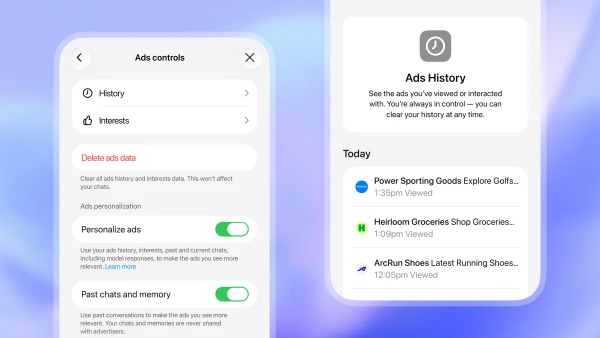
Image by OpenAI ChatGPT
Restrictions on ChatGPT Ads
Advertisers are not allowed to publish ads on sensitive or regulated topics like health, mental health, and politics. Advertisers are also not allowed to advertise to any account that may be under the age of 18.
Users can influence the types of ads they see by hiding or engaging with the ads. Like how in some social media platforms you can choose whether you're interested or not interested in the content, similarly, in ChatGPT, users can see ads that match their liking or engage with. Users' past chats and memories will also influence the ads they see, and ads will also depend on what the user is discussing with ChatGPT.
As OpenAI experiments with ChatGPT advertising, the key factors will be trust and user experience. ChatGPT has been a go-to platform for many users. OpenAI needs to focus on ad transparency, clear UX design for ads, and strong privacy rules. The coming months will reveal how well this strategy works for both users and advertisers, not just in the United States but also in New Zealand. Our SEM team at Somar Digital stays ahead of the ChatGPT ads. Stay connected with us for when ChatGPT Ads come to NZ.