Understanding Google Ads Goals
Setting the appropriate goals for your Google Ads(external link) are an important step for getting the most out of your ad campaigns. Without clear google ads goals, campaigns struggle to deliver meaningful results, no matter how much budget is invested. Google Ads goals define what success looks like and guide how Google’s automation, bidding, and optimisation systems behave.
Before diving into the details here are some of the key takeaways of the blog.
Quick Summary: Key Takeaways on Google Ads Goals
- Google Ads goals determine how campaigns are set up, optimised, and measured.
- Setting clear google ads goals help Google’s automation deliver better performance.
- Different business objectives require different goals, ad types, and budgets.
- Conversion tracking is essential for measuring progress against google ads goals.
- Regular optimisation ensures your google ads goals remain aligned with business outcomes.
What Are Your Google Ads Goals and Why Do They Matter?
Google Ads goals describe the primary outcome you want from your advertising.
They matter because Google Ads uses these goals to decide who sees your ads, when they appear, and how your budget is spent.
When google ads goals are mismatched, campaigns could attract the wrong traffic or fail to convert.
When goals are set correctly, Google’s systems can optimise toward outcomes that support real business growth.
Common Google Ads Goals With Examples
Brand Awareness
Brand awareness google ads goals focus on visibility rather than immediate action. These goals suit businesses introducing a new brand, product, or service to the market. Success is measured through impressions, reach, and ad recall rather than conversions.
Generate Leads
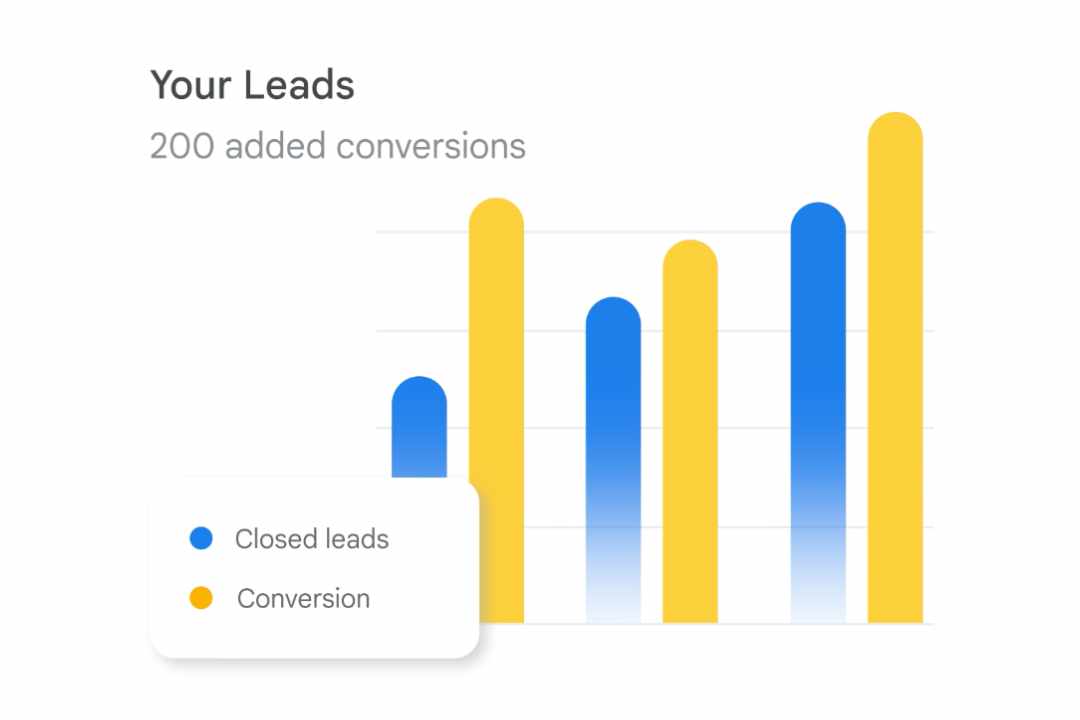
Lead generation google ads goals aim to capture enquiries, phone calls, or form submissions. This goal is common for service-based businesses such as consultants, trades, and professional services. Conversions typically include contact forms, phone calls, or booking requests.
Online Sales
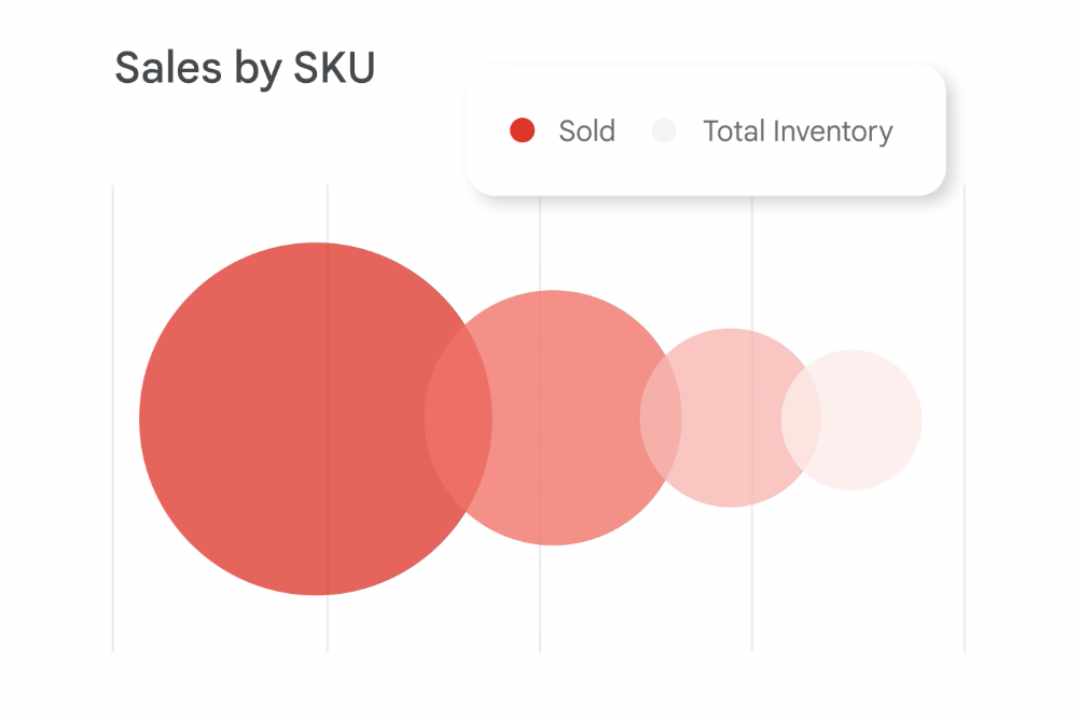
Online sales google ads goals are designed for ecommerce businesses. The primary objective is to drive purchases and revenue directly through the website. Success is measured through transactions, revenue, and return on ad spend.
Offline Sales
Offline sales google ads goals focus on driving in-store visits or phone enquiries. These goals suit retailers, hospitality venues, and local service providers. Measurement often relies on call tracking, store visit data, or offline conversion imports.
App Installs
App install google ads goals aim to increase downloads and engagement with mobile applications. These goals are common for businesses launching or scaling mobile apps. Success is measured through installs, in-app actions, and retention metrics.
How Google Ads Objectives Work
Google Ads objectives are what goals you ultimately want to achieve with your Google Ads campaign. You select an objective when you begin setting up your campaign in the Google Ads platform.
When you select a goal, Google adjusts campaign settings, bidding strategies, and automation accordingly.
Google’s machine learning uses historical data, user intent signals, and behaviour patterns to predict which users are most likely to complete your chosen action. The system then prioritises ad delivery to those users.
This is why accurate google ads goals and conversion tracking are so important. If the system receives poor data, optimisation decisions are also poor.
Google Ad Types and How They Support Google Ads Goals
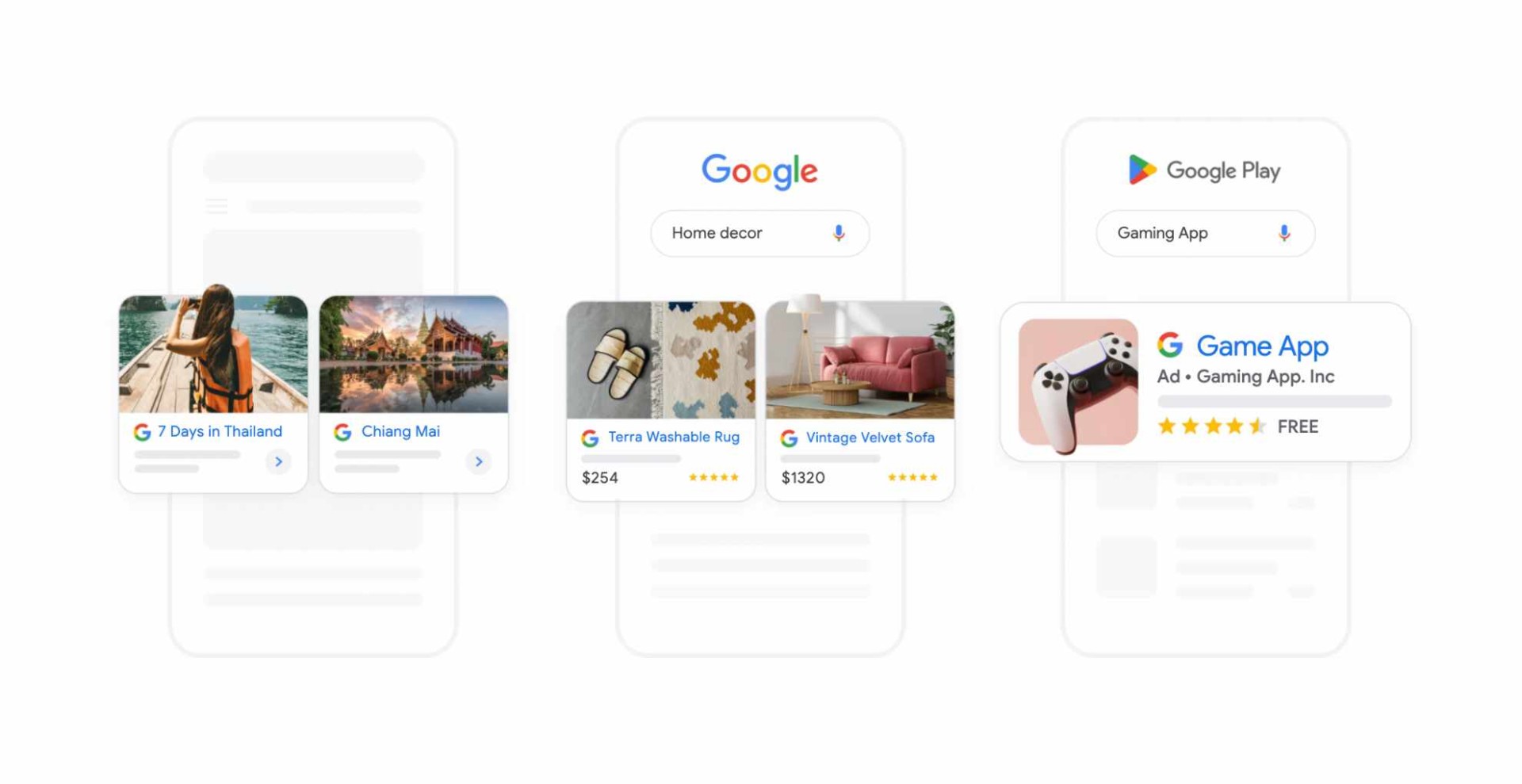
Different ad types align better with specific google ads goals. Choosing the right format helps campaigns perform more efficiently.
Performance Max
Performance Max supports a wide range of google ads goals.
It uses automation to serve ads across Search, Display, YouTube, Gmail, and Discover. This ad type works best when conversion tracking is strong and goals are clearly defined.
Search Ads
Search ads are ideal for lead generation and online sales google ads goals. They capture high-intent users actively searching for products or services. Performance depends heavily on keyword selection and landing page relevance.
Display Ads
Display ads are commonly used for brand awareness google ads goals. They focus on reach and visibility across websites and apps. They are less effective for immediate conversions without remarketing.
Demand Gen
Demand Gen campaigns focus on discovery and mid-funnel engagement. They work well for building awareness and consideration. These campaigns support longer buying journeys rather than direct sales.
Shopping Ads
Shopping ads align closely with online sales google ads goals. They display product images, prices, and merchant information directly in search results. Strong product feeds are critical for success.
Video Ads
Video ads are effective for brand awareness and consideration goals. They help communicate brand stories and product value visually. Measurement often focuses on views, engagement, and assisted conversions.
App Campaigns
App campaigns are built specifically for app install and engagement google ads goals. Google automatically distributes ads across its networks to drive installs and in-app actions.
Conversion Tracking and Measurement Fundamentals
Conversion tracking underpins every successful google ads goals strategy. Without it, Google cannot optimise toward meaningful outcomes.
Conversions might include purchases, form submissions, phone calls, or app actions. Google Ads typically integrates with Google Analytics 4 to capture this data.
Clear conversion definitions ensure reporting reflects real business value rather than vanity metrics.
How to Set Your Google Ads Campaign Objectives Step by Step
Setting a campaign objective is the first thing you do when setting up a new Google Ads campaign. This determines the overall goal of your ad campaign and indicates to Google what you are wanting to achieve with your campaign. You can create a campaign without choosing an objective but it is best practice to be clear right from the start about your goals for this campaign.
First, clarify your primary business objective. Decide whether the focus is awareness, leads, sales, or website traffic.
Second, map that objective to measurable conversions. Ensure tracking is in place before campaigns launch.
Third, select a campaign type that best aligns with your objective. Options include Search, Performance Max and Shopping ads. Match intent, format, and user behaviour carefully.
Fourth, depending on what ad type you choose there may be another step relating to the ways you’d like to reach your goal or linking a destination page to the ad campaign.
Finally, choose a campaign name and click on ‘Continue’. From then on you’ll get into the specifics around campaign settings, bidding strategy, keywords and asset generation and budget(external link).
How to Measure Success and Optimise Over Time
Measuring success starts with aligning metrics to google ads goals. Awareness campaigns focus on impressions and reach.
Lead and sales campaigns focus on conversions, cost per acquisition, and return on ad spend.
Ongoing optimisation includes reviewing search terms, refining audiences, and testing creatives. Goals should remain stable long enough for meaningful performance insights.
Regular reviews ensure google ads goals continue to reflect business priorities.
Common Mistakes to Avoid With Google Ads Goals
Google Ads goals work best when they are set once, tracked properly, and supported by clean data.
The issues below are the ones we see most often when goals and measurement are not aligned.
- Choosing a goal without conversion tracking in place.
- Changing Google Ads goals too often, before the campaign has enough data to learn.
- Relying on automation before you have enough conversion data, strong targeting, and a clear landing page experience.
When your goals stay consistent and your tracking is accurate, it is far easier to improve performance and report on real outcomes.
For a deeper look at what to avoid, see Somar’s guide to the top Google Ads mistakes.
Conclusion: Aligning Google Ads Goals With Business Outcomes
Google Ads goals shape every aspect of campaign performance. They influence who sees your ads, how budget is spent, and how success is measured.
If you are unsure which google ads goal fits your business, expert guidance can make a significant difference.
Somar Digital works with organisations across New Zealand to align google ads goals with real business outcomes.
If you want clarity, confidence, and better results from your advertising, a goal-setting review is a smart next step.