Implement technical SEO strategies that improve crawlability for search engines and AI agents.
Key Takeaways
- Technical SEO focuses on fixing structural and performance issues.
- Its impact goes beyond speed and covers areas like crawlability, indexation, site architecture, content integrity, and user experience.
- Ensuring clean crawling and indexing processes strengthen visibility.
What is technical SEO?
Technical SEO is a strategy that helps fix technical issues on a website and optimise it for better rankings on search engines(external link) and AI agents(external link). These issues can be easily visible on your website, or they may be hidden, causing you to rank better. SEO has four main pillars, namely on page SEO, off page SEO, technical SEO, and local SEO. Together, they create a healthy foundation for organic visibility.
To understand technical SEO, think of your website as a busy airport and technical SEO helps run it smoothly, allowing passengers to reach their destinations without delays.
When technical SEO is in good shape, search engines move through your site the way planes glide through a well-managed airport, arriving on time and bringing a steady flow of traffic.
Why Technical SEO Matters?
Technical SEO is very important for ensuring search engines can crawl your website, render or process your website's content and structure, index your website for users to easily find it, and rank it.
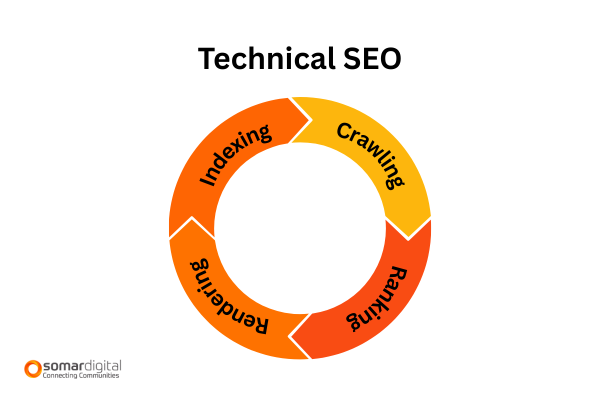
With the help of technical SEO, you can focus on improving rankings, traffic and user experience. It also helps in reducing and preventing issues that may weaken your website content and link equity.
Many people think that technical SEO is only speed optimisation, but it encompasses much more than just improving your website's speed. Technical SEO addresses numerous aspects of website performance and structure.
The 9 Most Common Technical SEO Issues & Strategies
The following strategies can be used to improve technical SEO of your website: Improve site speed It is important for websites to load fast and deliver good performance. So to improve website speed and performance, you should optimise and compress images.
Create a sitemap
A sitemap lists important URLs so search engines and AI agents can discover and understand your site structure. It also supports faster and more reliable indexation.
Duplicate content
Duplicate content occurs when similar or identical pages exist across your website. The best way to tackle duplicate content pages is cleaning and consolidating them to improve ranking signals, avoid indexation problems, and reduce crawl budget spend.
Optimising your robots.txt file
A robots.txt file guides search engine crawlers on which areas to access or avoid on your website. This file is present in your website’s root directory. You can define crawling rules to properly optimise, prevent crawl budget wastage and protect sensitive sections.
Implement structured data
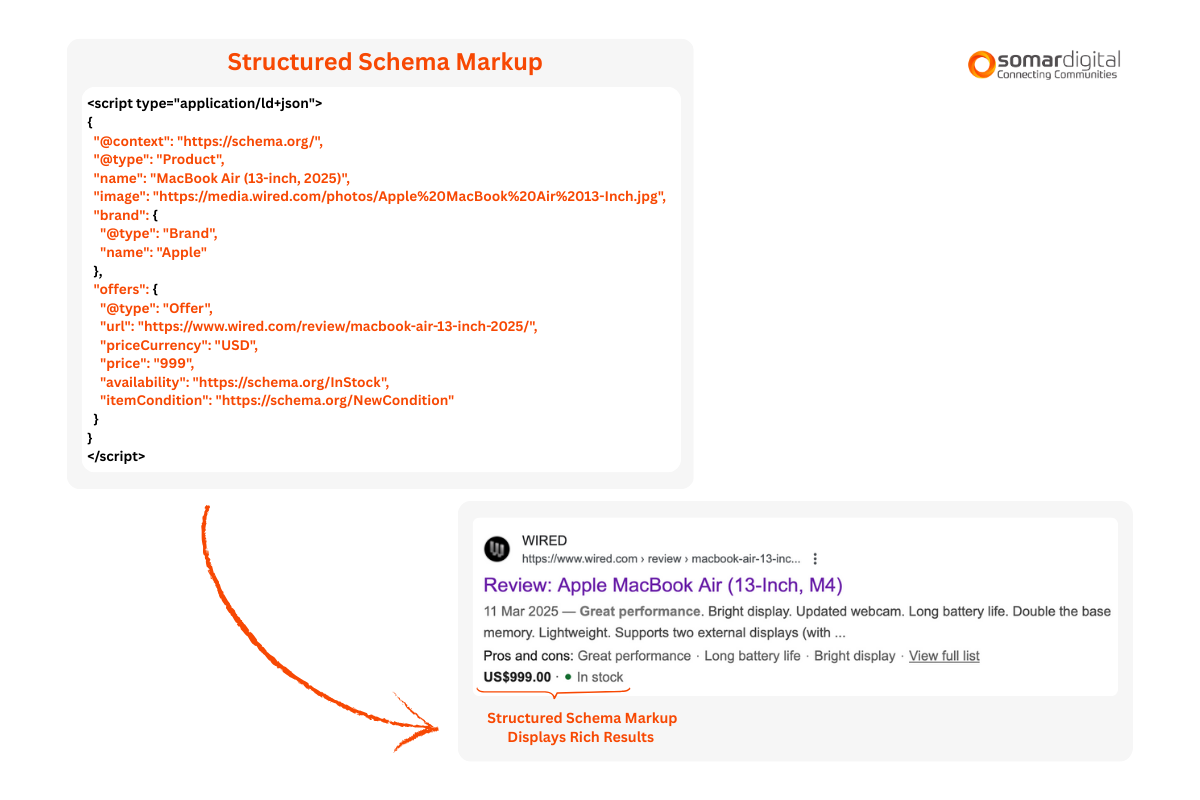
Structured data helps search engines interpret your content with greater accuracy. With the help of structured data, your eligibility for rich results increases. Structured data also helps AI systems understand and parse key details about your content. Common structured data types include Organisation, Article/BlogPosting, Product, Event, FAQ, Recipe, LocalBusiness, Breadcrumb, Video, JobPosting, and Review.
Test mobile usability
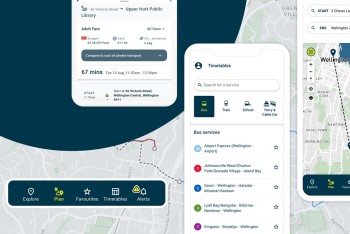
Majority of traffic comes from mobiles, so it’s recommended to have a mobile-friendly website. Mobile usability tests ensure visitors can navigate and interact with your site on smartphones. It supports higher engagement and stronger mobile rankings.
Improve internal linking
Internal linking helps users and crawlers navigate your site efficiently. With internal linking, you can connect different relevant pages to each other and improve the flow of ranking signals across the site.
Optimise images
Large image files make website load slower, which directly affects user experience and page speed. Use optimised and compressed images on your website to speed up pages and support higher visual quality across devices.
Crawling and indexing
Crawling involves discovering your pages while indexing involves storing and understanding them. Ensuring both processes work smoothly improves visibility.
Implementing these technical SEO strategies will not only help improve your website’s performance but also improve your online presence. It is recommended to consult an SEO expert when working on implementing technical SEO strategies, in some cases you may also need help from a web developer. Our team at Somar Digital can help you navigate and implement technical SEO best practices. We have been working with Government agencies, nonprofits, and charities for over 18 years and have experience and expertise to perform a technical SEO audit on your website, find the issues, and help you fix them as well. Get in touch with our team today.